"Never Thought It Would Happen To Me"
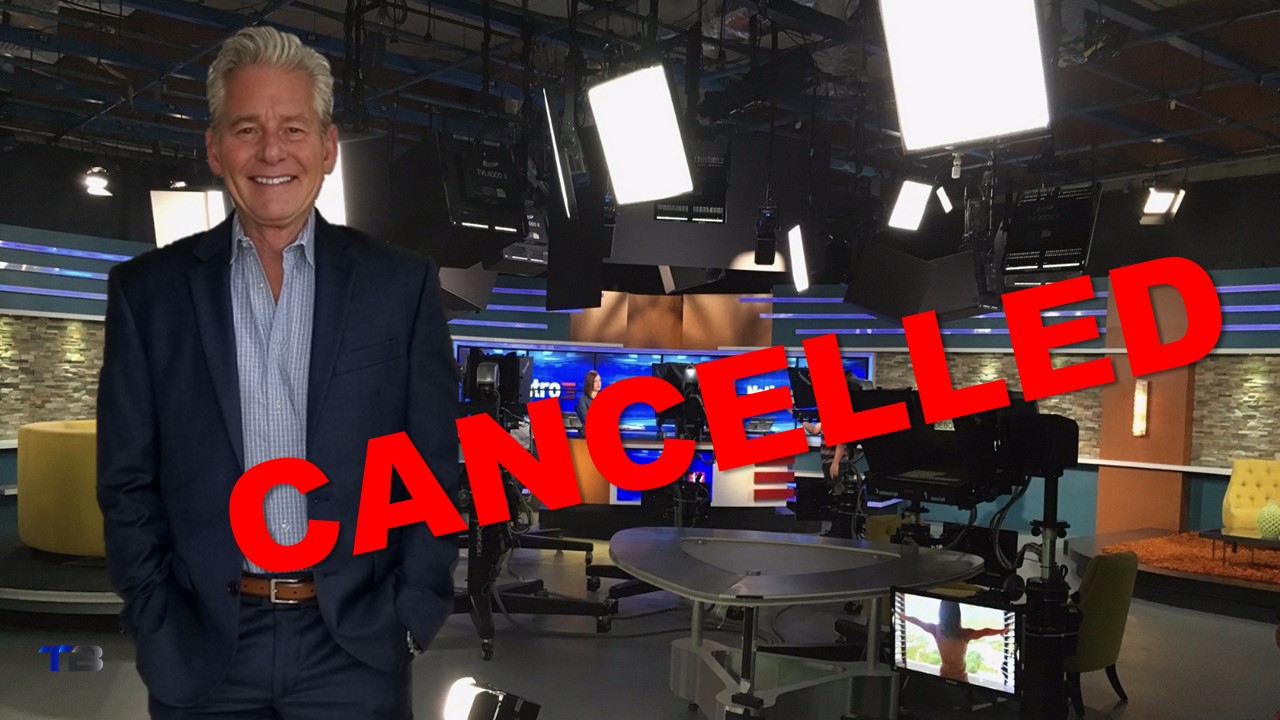
"Never thought it would happen to me" Cancelled, Closed, Shuttered, Hiatus, Consolidated, Downsized, Laid off, Reduction in Force, Terminated.
For many of us it comes as a shock/surprise like a thief in the night even though there are telltale signs that we often choose to ignore. The one thing we all share is that there will be forks in the road in our careers because they are rarely linear. The days of checking into a General Motors office on Clark St and leaving 40 years later have long passed.
One of my favorite overused quotes comes from NHL Hall of Famer Wayne Gretzky “I skate to where the puck is going, not where it has been.” If you work in multimedia, higher education, retail or even construction, now is the time to think about where your puck is going.
On this #wednesdaywisdom I have posted the first chapter of my book "Your Struggle is Reel" on the TalentBlvd blog. "INDUSTRIES IN TRANSITION: Demographics and Channel Shift, What It Means to You" is available to all Premium Members of TalentBlvd.com
Find the post and details on how to join us at: https://www.talentblvd.com/blog/
Over the course of the next few weeks I'll be publishing chapters from the book and literally offer tips and hacks that cover the entire life cycle of a career.
Your Struggle is Reel: Career Tips and Life Hacks from a Talent Management Guru by Amazon.com
Learn more: https://www.amazon.com/dp/B08TZ5HWN4/ref=cm_sw_em_r_mt_dp_6P520TP3BSX191Y4NGHZ
Finally, follow TalentBlvd
Demographics and Channel Shift: What It Means to You
First, it's necessary to understand whether the decline in your industry is cyclical in nature or is experiencing change that will soon be permanent. For example, cyclical industries include auto, housing (construction and real estate), airlines and travel. Usually there is an external force that causes contraction, but it eventually rebounds. External forces like rising fuel prices or mortgage rates. There will be shifts; single family homes to apartment, F150 trucks to hybrids, taxi's to Ubers. In these cyclical industries, end user demand declines but eventually rebounds, maybe not to peaks but there are rebounds. There are some more permanent trends however that are warning signs.
Think back 10-15 years and how digital images and storage trends decimated the photographic film industry. It is not dead but it’s a fraction of what it used to be. Advances in digital technology and storage completely changed the landscape and there is no going back.
Brick and mortar retail is still in the midst of contraction that looks to be permanent in nature.
This text is being written during the onset of the COVID-19 pandemic which is contributing to rapid changes in buying habits. Consumer buying practices and outlets have changed significantly, fulfillment of everything from clothing to groceries or dinner comes in the way of a UPS truck or a Uber instead of a traditional storefront. The experiential thrill of shopping utilized our five senses has been replaced with the instant satisfaction of clicking a button. Not only does this impact retail sales outlets but also has a significant negative impact on commercial construction industries. A shift from storefronts to million square foot distribution centers.
Higher Education is an interesting case study. There are simply fewer 18-year old's today than there were 5 years ago. Population trends (and now social distancing and quarantining related to the pandemic) do not favor higher attendance in the foreseeable future. After years of sustained higher water marks of Baby Boomer's birth rates in the fifties and sixties, there has been a flattening of the birth rate. The spikes and peaks aren't as high. It's like a pig moving through a python. Couple the declining demo with the changes in technology and remote educational opportunities and the college and university landscape may never be the same.
If you look specifically at broadcast television and the news business, the data is overwhelming and illustrates a declining market. Technology and viewer preference are making the 'push' model obsolete. There is now the ability to create your own channel for any genre of content you wish when you want it. I find it shocking that some multimedia companies still are not streaming content live and others don't offer content on demand. That is literally telling your audience that if they’re not sitting in their living room in front of your television they can't see our content.
Quick takeaways are:
· Aging audience and in some cases less educated and less affluent.
· Television is declining faster than online is growing.
· Local TV makes up largest audience.
You might deduct that technology, streaming digital content on mobile devices, is changing TV broadcast news business permanently. Clearly the distribution of content is changing but there are also changes in the demand dependent upon the source. Cable and Network TV news numbers among Millennials is abysmal. The question is what happens to viewership patterns as the Millennial generation ages. Do they shift to more traditional viewership patterns?
Overall consumption of content via the television is trending down for a number of reasons (we all have our own thoughts on topic). The focus of this article is not a debate of industries in decline. It is about recognition that there trends resulting in negative demand, industry contraction and literally, a channel shift. It is important to not get caught up in logic that results in you just kicking the can down the road.
For example, I had to chuckle when I saw this last week ....
"....even if Pyeongchang won’t reach nearly as many American homes as some past big Winter Games, NBC is rightly pointing out that the 2018 Olympics are doing incredible numbers relative to everything else on TV. Put another way: The NBC-only prime-time numbers may be down, but they’re down a lot less than programming on rival networks."
In other words, "we sucked less than everyone else". What is important to acknowledge in this is the trend, not the competition. If the whole industry is in decline, all traditional outlets end up impacted and that should be driving your career strategy. Again, there is a channel shift, and you need to be shifting with it.
Your homework in this exercise (all my clients have homework!) is to take a hard look at what is happening in your industry. What are the trends? How do they impact what I do directly? Where is demand shifting? Where are the unmet needs going?
So you have just left a company after a less than positive experience or maybe you find yourself unhappy with a company because it turns out to be a completely different culture than you anticipated.
To borrow the line from David Byrne's 'Once in a Lifetime'........
....."and you may ask yourself, Well...How did I get here?"
The answer to this question usually stems from the lack of due diligence or just your haste to find a job after being unemployed with a big mortgage, car payments, plus kids with crooked teeth and aspirations of attending college. Regardless, this is the time to slow down, objectively gather and evaluate a company and opportunity. There are dozens of clues you can pick up in the interview process and should be married with your web-based research to create a fairly clear picture of an organization's culture and operating structure. Sometimes what is unsaid is more important than what is said in the early stages of your research.
In the next section and chapter you will find a simple seven step checklist for your due diligence and if you assemble these pieces, you'll have a simple snapshot of a company's operating structure and potentially their culture.
.